
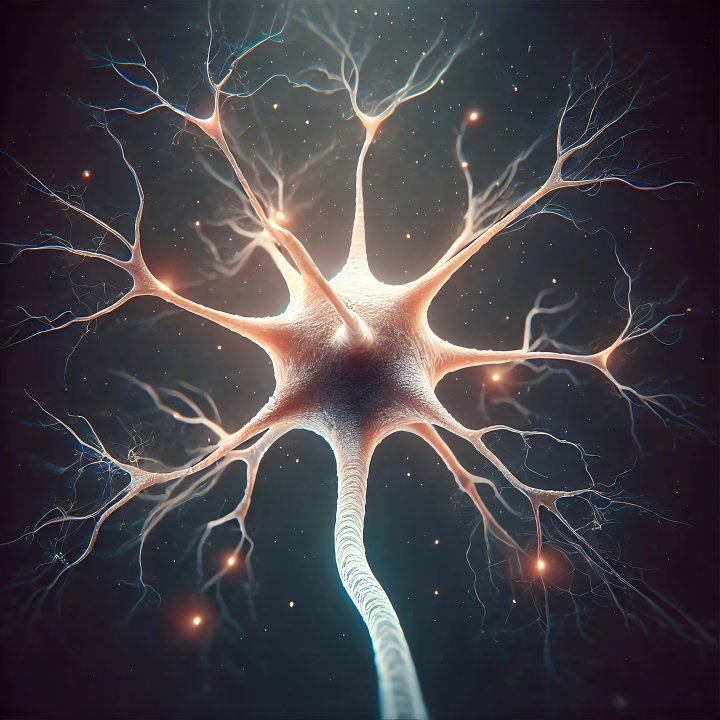
NESA Microcurrents Therapy
Autonomic Nervous System Regulation & Recovery Support
NESA neuromodulation is a non-invasive microcurrent therapy designed to support the regulation of the autonomic nervous system (ANS), the system responsible for essential involuntary functions such as sleep, stress response, digestion, cardiovascular regulation, muscle recovery, and cognitive performance.
At Inman Clinic, NESA therapy is used as a regulatory and recovery-focused intervention, aimed at restoring autonomic balance rather than forcing stimulation or suppressing symptoms.
What Is NESA Neuromodulation and How Does It Influence the Autonomic Nervous System?
NESA neuromodulation is a non-invasive microcurrent therapy designed to regulate autonomic nervous system balance, supporting parasympathetic activity, sleep quality, stress recovery, and neurological regulation.
Clinical Explanation
The autonomic nervous system governs involuntary physiological processes, including:
- Heart rate variability
- Vascular tone and circulation
- Digestion and gut motility
- Sleep–wake cycles
- Stress response and recovery
Chronic stress, illness, inflammation, trauma, and overtraining frequently push the nervous system toward sympathetic dominance (fight-or-flight), impairing recovery and regulation.
NESA therapy applies ultra-low-frequency microcurrents through peripheral electrodes, gently influencing neurovegetative signaling pathways. Rather than overstimulating the nervous system, NESA encourages parasympathetic reactivation, supporting the body’s natural recovery mechanisms.
How Does NESA Therapy Work?
NESA works through neuromodulatory signaling, not forceful electrical stimulation.
This approach may help:
- Restore balance between sympathetic (stress-related) and parasympathetic (recovery-related) activity
- Improve nervous system adaptability
- Support neuroregulation without discomfort
Treatment is performed while the patient rests comfortably and is designed to be calming, subtle, and well tolerated.
Observed Physiological Effects
Clinical use and observational data suggest that NESA neuromodulation may support:
- Improved heart rate variability (HRV)
- Enhanced sleep depth and recovery quality
- Reduction in stress-related symptoms
- Improved autonomic balance
- Support for neurological and functional recovery
NESA does not override neural function; it works through regulatory input, making it suitable for patients with sensitive or dysregulated nervous systems.
Benefits of NESA Neuromodulation
When used within a structured and medically supervised protocol, NESA therapy may offer benefits such as:
Nervous System & Stress Regulation
- Support for parasympathetic activation
- Reduction of chronic stress signaling
- Improved nervous system resilience
Sleep & Recovery
- Deeper, more restorative sleep
- Improved recovery following physical or mental stress
- Support for circadian regulation
Cognitive & Neurological Support
- Improved mental clarity and focus
- Support for cognitive fatigue and brain fog
- Enhanced neural communication
Musculoskeletal & Athletic Recovery
- Support for muscle recovery
- Reduction of tension related to autonomic imbalance
- Improved recovery capacity in athletes
Who May Benefit From NESA Therapy?
NESA neuromodulation may be appropriate for individuals experiencing:
- Chronic stress or emotional burnout
- Sleep disorders or non-restorative sleep
- Persistent anxiety or nervous system dysregulation
- Depressive symptoms associated with autonomic imbalance
- Chronic fatigue or low neurological energy
- Post-viral syndromes or inflammatory conditions
- Autonomic nervous system disorders
- Heightened sensitivity to stress
- Individuals undergoing integrative recovery processes
- Athletes seeking to optimize recovery and neurophysiological balance
All protocols are individualized based on clinical evaluation.
Safety Profile
NESA therapy is non-invasive, drug-free, and generally well tolerated.
It may be contraindicated in individuals with certain implanted electrical devices (such as pacemakers), unless medically cleared. A proper medical evaluation is performed prior to treatment.
Frequently Asked Questions (FAQ)
Is NESA the same as TENS or PEMF?
No. NESA uses distinct microcurrent frequencies and is specifically designed to influence autonomic regulation, rather than pain masking (TENS) or magnetic stimulation (PEMF).
Does NESA cause stimulation or discomfort?
No. Most patients report minimal or no sensation during treatment.
How many sessions are required?
The number of sessions depends on the condition being addressed and individual response. Some patients notice early improvements, while others benefit from structured treatment protocols.
What Makes NESA Therapy Different?
- Non-invasive and medication-free
- No discomfort or downtime
- Focuses on nervous system regulation rather than symptom suppression
- Can be safely combined with regenerative, metabolic, and recovery-based therapies
Learn More About NESA Neuromodulation
If you are interested in supporting nervous system balance, recovery, and regulation, our medical team can help determine whether NESA neuromodulation is appropriate for your health goals.
👉 Schedule a consultation for personalized guidance and evaluation.